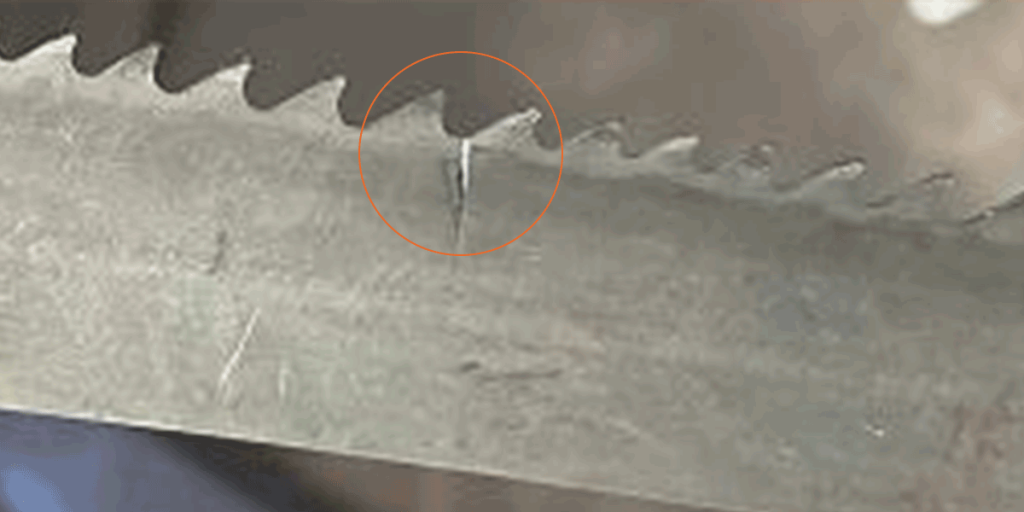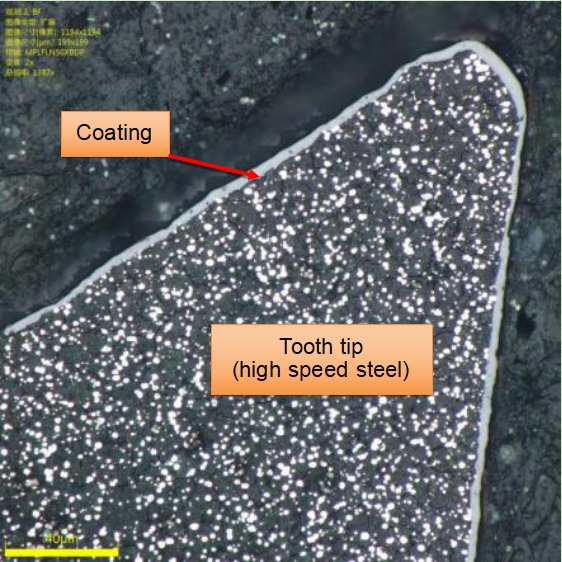
A band saw blade that fails ahead of schedule is not just a cost problem — it is a productivity problem. Every unplanned blade change means downtime, setup time, and disrupted workflow. The good news: most premature blade failures are preventable. Here are seven proven practices that professional sawyers and metalworkers use to get maximum life from every blade.
1. Break In New Blades Properly
This is the single most overlooked step in blade maintenance. A new blade has microscopically sharp tooth tips that are vulnerable to chipping under full load. The correct break-in procedure:
- Run the first few cuts at 50% of your normal feed rate
- Gradually increase to full feed rate over the first 50–100 square inches of material cut
- This allows the tooth edges to micro-hone and develop a stable cutting geometry
Skipping break-in can reduce blade life by 30–50% — one of the most costly mistakes in high-volume operations.
2. Match Blade Speed to Material
Running a blade too fast generates excess heat. Running it too slow causes chatter and premature wear.
| Material | Blade Speed (m/min) |
|---|---|
| Mild steel / carbon steel | 40–70 |
| Alloy steel / tool steel | 20–40 |
| Stainless steel | 20–35 |
| Aluminum | 200–600 |
| Hardwood | 300–800 |
| Softwood | 600–1,500 |
3. Use Cutting Fluid — and Use It Correctly
For metal cutting, cutting fluid is not optional. It cools the blade, lubricates the tooth-chip interface, and flushes chips out of the gullet.
- Apply fluid directly at the point of cut, not just on the blade back
- Use the correct fluid concentration — too dilute provides inadequate lubrication
- Change fluid regularly — contaminated coolant accelerates corrosion on the blade body
4. Check Blade Tension Regularly
Incorrect blade tension is a leading cause of premature fatigue failure. Too little causes blade flutter; too much overstresses the backing and accelerates cracking at the weld.
- Use the machine manufacturer’s tension specification, not guesswork
- Check tension at the start of each shift — blades relax during use
- Release tension at the end of each workday to prevent set fatigue in the backing steel
5. Keep Guide Bearings and Guides in Good Condition
Worn or misaligned blade guides cause the blade to twist, flex, and rub. Check guides weekly:
- Side guides should be set 0.025mm (0.001″) from the blade — close enough to support, not touching during the cut
- Thrust bearings should engage only during the cut, not continuously
- Replace worn or pitted guide inserts immediately — they score the blade back and cause stress cracks
6. Never Fold a Blade Incorrectly for Storage
Coil blades into three equal loops using the controlled fold technique. Store hanging on hooks, not lying flat. Keep blades away from moisture and corrosive atmospheres.
7. Stop Cutting Before the Blade Is Completely Dull
Continuing to cut with a dull blade damages the blade body, not just the teeth. Signs it is time to change:
- Cut surface becomes rough or shows burn marks
- Feed rate must be reduced to maintain cut quality
- Blade starts to drift or wander in the cut
- Unusual noise or vibration during cutting
Sourcing Blades That Are Built to Last
WOKELI manufactures bimetal and carbide band saw blades at three production bases in China, supplying distributors across Europe and North America. Our blades use M42 and M51 HSS for bimetal grades and YG6/YG8 tungsten carbide for carbide-tipped models.
If you are evaluating a new blade supplier, contact us for samples. We will recommend the right specification and provide factory-direct pricing for distributors.